
How To Make My Business Website Look More Professional Online?
A professional-looking business website is no longer optional for U.S. businesses—it is essential. In a competitive online market, first impressions matter, and your website is often the first touchpoint potential customers have with your brand. A website that looks polished and trustworthy can significantly influence user behavior, encouraging visitors to explore your services, make purchases, or contact you for more information. For businesses in the United States, where consumers have countless online options, a website that appears unprofessional or outdated can quickly erode trust and push potential clients to competitors. From local service providers in Dallas to e-commerce stores in New York, presenting your business professionally online directly impacts credibility and revenue.
This guide will teach you how to make your business website look more professional online without hiring a costly web designer. You will learn practical, step-by-step strategies that enhance aesthetics, functionality, and user experience, all tailored to U.S. consumer expectations. We will cover design principles, content strategies, trust-building elements, and technical optimizations that make your site appear polished, reliable, and authoritative. Each step will include practical examples and real-world applications relevant to American businesses. You will learn how to create a consistent brand identity, optimize navigation, use high-quality visuals, and structure content to engage users effectively. Clear calls-to-action and strategic placement of key information will help guide visitors toward desired outcomes.
The article also emphasizes mobile responsiveness, fast loading times, and accessibility, which are critical for U.S. audiences who increasingly browse websites on smartphones and tablets. A professional site must be functional and visually appealing across all devices. We will explore how to use trust signals such as testimonials, certifications, security badges, and social proof to enhance credibility and reassure potential clients. These elements are particularly important for American consumers who prioritize transparency and reliability. Practical tips on typography, color schemes, layout consistency, and whitespace usage will help your website look clean, organized, and visually appealing. A well-structured site improves readability, retention, and user engagement. You will also learn how to optimize your homepage, landing pages, and product or service pages to convey professionalism immediately.
First impressions matter, and a strong presentation can directly influence conversion rates. The guide addresses common challenges, including cluttered design, inconsistent branding, outdated content, and poor-quality imagery, providing solutions to elevate your site’s perceived value. We will discuss how to integrate multimedia, including videos, infographics, and high-resolution images, to communicate your message clearly and engage users effectively. The guide emphasizes the importance of content clarity, concise messaging, and well-written copy, as professional writing contributes as much to perceived credibility as visual design. You will learn practical methods to audit your website, identify weaknesses, and implement improvements systematically, creating a polished online presence without extensive technical expertise. The article also covers optimization for user experience, including intuitive navigation, logical information hierarchy, and clear labeling, all of which contribute to professionalism.
Tips on using consistent branding across your website, including logo placement, color palettes, and font usage, will ensure your business identity appears cohesive and reliable. We will explore how to create a strong “About Us” page, compelling service descriptions, and an informative contact page that instills confidence in your visitors. Finally, you will gain actionable strategies for monitoring your website’s performance, collecting user feedback, and continually refining your online presence to maintain a professional appearance over time.
How To Make My Business Website Look More Professional Online?
Making your business website look more professional online involves improving visual design, functionality, and user experience to create trust and credibility. For U.S. businesses, a professional website directly influences customer perception, engagement, and conversion rates. This process includes optimizing layout, content, branding, and technical performance to meet the expectations of American audiences who value quality, clarity, and reliability.
1. Establish Consistent Branding
Consistent branding is key to a professional online presence. Use the same logo, color palette, fonts, and tone across all pages. For example, a Los Angeles marketing agency may use a blue and white color scheme, a modern sans-serif font, and a consistent tone in every section, from the homepage to service pages. Consistency reassures visitors, creates familiarity, and reinforces your brand identity. Ensure all elements, including buttons, headings, and icons, align with your brand style guide. This cohesion enhances trust and perceived professionalism.
2. Use High-Quality Visuals
Avoid low-resolution or stocky, generic images. Invest in high-quality photography, graphics, and videos relevant to your business. For instance, a Chicago restaurant can showcase professional images of its dishes, interior, and staff, enhancing appeal and credibility. High-quality visuals demonstrate attention to detail and convey value, making your website more engaging for U.S. visitors. Images should be optimized for web performance to avoid slowing down your site while maintaining visual integrity.
3. Simplify Navigation
Clear and intuitive navigation improves user experience and creates a professional impression. Organize menus logically with clearly labeled categories. For example, a New York consulting firm might have tabs like Services, Case Studies, About Us, Blog, and Contact, avoiding unnecessary dropdowns or hidden links. Include breadcrumbs and internal links to guide users and reduce confusion. Simplified navigation makes your site feel organized and user-friendly.
4. Optimize Your Homepage
The homepage sets the first impression. Present your value proposition clearly with concise messaging, strong headlines, and visible calls-to-action. A Miami fitness studio could highlight “Personalized Training Plans to Achieve Your Goals Faster” with a prominent “Schedule Your Free Consultation” button. Limit clutter and ensure the most important information is above the fold. A professional homepage communicates authority immediately.
5. Focus on Mobile Responsiveness
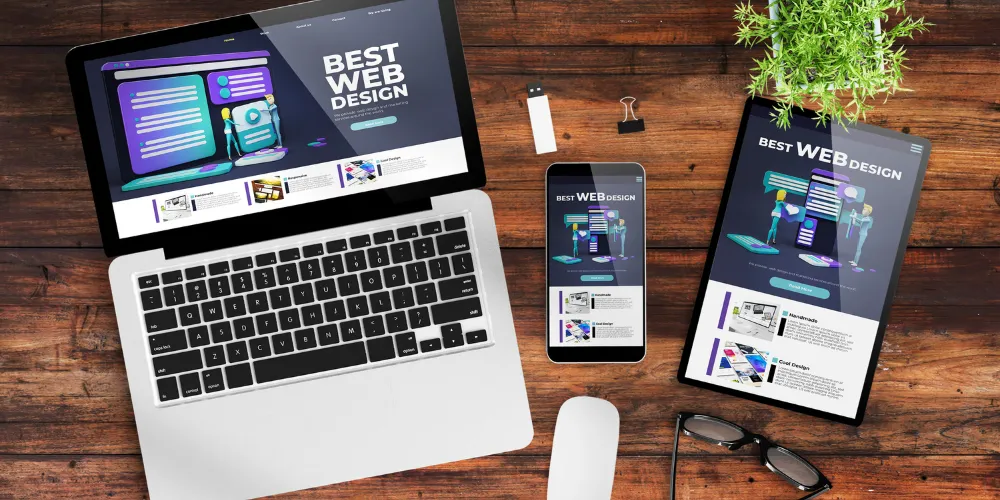
With most Americans accessing websites via smartphones, mobile optimization is critical. Ensure layouts adapt to different screen sizes, buttons are easy to tap, and text is readable. For example, a Boston law firm’s site should allow visitors to book consultations, view services, and contact the firm seamlessly on a phone or tablet. Responsive design enhances user experience, reduces bounce rates, and signals professionalism to visitors.
6. Use Clear and Professional Typography
Typography impacts readability and perception. Use clean, easy-to-read fonts and avoid excessive font types. For example, a Los Angeles e-commerce store might use a sans-serif font for headings and body text, maintaining hierarchy with bolding and sizes. Proper line spacing, alignment, and contrast improve visual appeal and convey professionalism. Consistent typography also reinforces brand identity.
7. Include Trust Signals
Trust signals enhance credibility. Include testimonials, customer reviews, security badges, industry certifications, and case studies. A San Francisco software company could display logos of clients, certifications, and verified reviews to build confidence. These elements reassure U.S. visitors that your business is reputable, reducing hesitation and improving conversion rates.
8. Simplify Content and Messaging
Clarity and conciseness make a website appear professional. Avoid jargon, long paragraphs, and filler content. For example, a Chicago digital marketing agency might summarize services in bullet points with brief explanations instead of lengthy paragraphs. Clear content improves comprehension, guides user actions, and presents your business as competent and trustworthy.
9. Improve Page Load Speed
Slow-loading pages create a poor impression and frustrate visitors. Optimize images, minimize scripts, and leverage caching. For example, an Austin boutique could compress product images and streamline plugins to reduce load time. Fast performance enhances user experience, reduces bounce rates, and signals professionalism to both visitors and search engines.
10. Keep Design Simple and Modern
Minimalist, clean designs often appear more professional than cluttered layouts. Use whitespace strategically and align elements properly. A New York law firm’s website, for instance, might feature a clean homepage with a simple hero section, professional photos, and easy-to-read text. Modern, uncluttered designs make websites look polished, credible, and appealing to American users. Avoid excessive animations or flashy elements that distract from core messages.
Conclusion
Creating a professional-looking business website is crucial for building trust and credibility with U.S. audiences. It influences first impressions, engagement, and conversions, making it a critical investment for businesses of all sizes. Key steps include establishing consistent branding, using high-quality visuals, and optimizing navigation for intuitive usability. A clean homepage with clear messaging and strong calls-to-action communicates your value immediately. Mobile responsiveness ensures accessibility for the majority of visitors, while clear typography and simplified content enhance readability and professionalism. Including trust signals such as testimonials, certifications, and case studies reassures visitors and reduces hesitation. Optimized page speed and modern design contribute to user satisfaction and retention.
Every element of the website, from layout to messaging, should align with your brand and be designed with the user in mind. Cohesive design and attention to detail convey reliability and authority. Regularly auditing your website and updating content, images, and features maintains a fresh and professional appearance over time. Even small businesses or startups in the United States can implement these strategies independently, improving credibility without expensive web design services. A professional website not only attracts and retains visitors but also supports lead generation, sales, and long-term growth. Ultimately, investing time and effort into your website’s design, structure, and content positions your business as competent, trustworthy, and authoritative in a competitive market. Consistently applying these principles ensures that your website remains a strong representation of your brand and a valuable asset for your U.S. business growth.