
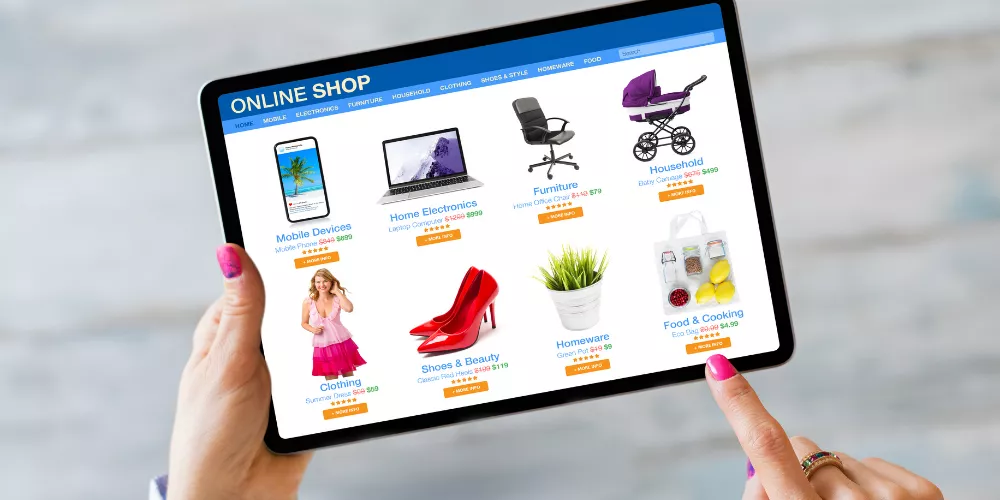
How To Do Competitor Analysis In Ecommerce?
Competitor analysis is one of the most important strategies for any e-commerce business in the USA. Understanding your competitors helps you identify strengths, weaknesses, and opportunities to improve your own business. With millions of online stores and marketplaces, the e-commerce environment is highly competitive. Businesses must study their rivals to stay ahead in terms of pricing, product offerings, marketing strategies, and customer engagement. Competitor analysis provides insights into what works in your niche and what does not.
It also helps you identify gaps in the market that you can exploit. By monitoring competitors’ websites, social media, and reviews, you can learn about their customer preferences. SEO strategies, paid advertising, and content marketing tactics used by competitors reveal important trends. Knowing the competition allows businesses to make informed decisions about pricing, product launches, and promotions. E-commerce platforms such as Amazon, Walmart, Shopify, and Etsy have thousands of sellers competing for the same audience. Businesses must constantly monitor changes in competitor strategies to remain relevant. Tools for competitor analysis, including SEMrush, Ahrefs, and SimilarWeb, provide valuable data.
Analysis also helps in understanding market positioning and brand perception. Observing competitor customer reviews provides insight into service gaps and opportunities. Competitive benchmarking ensures that your business does not fall behind. Monitoring social media campaigns helps identify which content resonates with the target audience. Email marketing and loyalty programs of competitors reveal retention strategies.
Effective competitor analysis is ongoing, not a one-time activity. Businesses that invest in research gain a strong advantage in the crowded e-commerce landscape. In the USA, e-commerce is growing rapidly, making competitor analysis more critical than ever. Overall, understanding competitors allows you to improve your offerings, increase sales, and grow your online presence.
How To Do Competitor Analysis In Ecommerce?
Competitor analysis in e-commerce is the process of studying your rivals to understand their strategies, strengths, and weaknesses. It helps businesses make better decisions, attract more customers, and improve their online performance. Proper analysis reveals opportunities to outperform competitors in pricing, marketing, products, and customer service.
1. Identify Your Competitors
The first step in competitor analysis is identifying who your competitors are. Competitors can be direct, offering the same products as you, or indirect, offering substitute products. Use Google search, social media, and e-commerce marketplaces to find relevant businesses. Make a list of top competitors in your niche. Consider their market share, customer base, and online presence. Analyze their product range to understand overlap with your offerings. Study their pricing strategies to see how they position themselves. Check their promotional tactics, discounts, and seasonal offers. Examine their brand reputation and customer reviews.
Include both established brands and emerging players. Look at local and international competitors if your e-commerce targets multiple regions. Identify competitors’ strengths and weaknesses. Analyze their shipping, return, and customer service policies. Study how they use mobile apps for selling. Observe if they have loyalty programs or subscription services. Check if they focus on B2C, B2B, or C2C models. Evaluate their use of SEO and content marketing. Identify their social media engagement levels. Study their email campaigns and newsletters. Review competitor blogs and content for insights.
Analyze website structure, usability, and design. Understand their target audience demographics. Look for unique selling points that make them stand out. Compare delivery speed and logistics efficiency. Note their payment methods and checkout process. Check customer support options like chatbots or help centers. Identify any partnerships or collaborations they have. Study influencer or affiliate marketing strategies. Track new product launches and seasonal trends. Overall, knowing your competitors is the foundation for effective analysis.
2. Analyze Competitor Websites
Your competitor’s website is a goldmine of information. Analyze layout, design, and navigation to see what attracts customers. Check product descriptions, images, and videos for quality. Study calls-to-action and user engagement features. Review how easy it is to make a purchase. Check site speed and mobile responsiveness. Observe their homepage and landing pages. See if they use pop-ups, banners, or exit offers. Analyze category pages and product filters. Study content like blogs, guides, or FAQs. Check for chat support or contact forms.
Review policies like shipping, returns, and privacy. Examine SEO elements like meta titles, headings, and keywords. Track URL structure and internal linking. Evaluate product page design and layout. Observe customer reviews and ratings placement. See if they have cross-selling or upselling features. Check payment options and checkout experience. Analyze security features like HTTPS and SSL certificates. Study any promotional banners or discounts. Check for live chat or chatbot efficiency. Review loyalty program integration.
Observe email signup forms. Evaluate trust badges and guarantees. Examine site speed and navigation. Note any unique features that enhance user experience. Check how they highlight best-selling or trending products. Analyze blog and content strategy integration. Review subscription or membership options. Overall, the website provides insight into design, usability, and customer engagement strategies.
3. Study Product Range and Pricing
Competitor product range and pricing reveal market positioning. List products offered by competitors and compare with your own. Analyze quality, variations, and exclusive products. Study their pricing strategy – high-end, mid-range, or discount-focused. Check seasonal discounts, bundle offers, or loyalty incentives. Observe how competitors use free shipping or limited-time offers. Look at product descriptions, images, and videos for consistency. Analyze upselling or cross-selling techniques. Note if they sell digital products or services.
Study subscription or membership pricing. Observe return and refund policies. Compare product features and specifications. Identify best-selling products and trends. Look at stock availability and shipping regions. Study competitor promotions and flash sales. Analyze how they highlight value for money. Compare product bundles or packages. Check competitor marketplaces if they sell on Amazon, Etsy, or Walmart.
Track new product launches. Observe pricing adjustments over time. Study competitor reviews for perceived value. Compare warranty or guarantee offerings. Analyze premium vs budget product balance. Check if they use influencer endorsements for pricing justification. Evaluate product differentiation strategies. Note how competitors handle seasonal demand. Overall, product and pricing analysis helps identify opportunities and gaps.
4. Examine SEO Strategy
SEO strategy determines competitor visibility on search engines. Analyze keyword usage in titles, headings, and content. Study meta descriptions and alt text for images. Observe internal linking structures and sitemap presence. Check backlink profiles using tools like Ahrefs or SEMrush. Review organic traffic levels and search ranking positions. Analyze blog and content marketing strategies. Study page load speed and mobile-friendliness. Observe local SEO tactics like Google Business listing. Review schema markup and rich snippets. Track competitor performance in paid search ads. Identify long-tail keywords targeted.
Check content frequency and update consistency. Analyze anchor texts and external links. Evaluate URL structure and hierarchy. Study competitor landing pages for keyword optimization. Observe product page SEO elements. Check image optimization and file sizes. Study competitor domain authority. Observe social signals affecting SEO. Review content engagement metrics like shares and comments. Analyze competitor video SEO. Track seasonal keyword trends. Identify high-performing blog topics. Compare meta tags and heading hierarchy. Review competitor press releases for SEO. Analyze competitor competitor brand mentions. Observe competitor voice search optimization. Evaluate SEO strategy effectiveness for organic growth. Overall, SEO analysis helps improve search visibility and attract relevant traffic.
5. Review Social Media Presence
Social media is a key channel for competitor analysis. Review competitor profiles on Facebook, Instagram, Twitter, LinkedIn, and TikTok. Analyze posting frequency and content types – images, videos, stories, reels, or live sessions. Check follower count and engagement rates. Observe likes, shares, comments, and mentions. Analyze paid social media campaigns and ad formats. Study hashtags and trending content strategies. Review influencer collaborations or sponsorships. Examine user-generated content promotion. Observe customer service responses on social media. Study brand voice and messaging style.
Track engagement with campaigns and promotions. Review contests, giveaways, and interactive content. Observe video content strategy and reach. Analyze call-to-actions in posts. Study timing of posts for peak engagement. Review Instagram stories or highlights for promotion techniques. Analyze Pinterest or TikTok strategies if applicable. Observe community management tactics. Evaluate analytics tools used to track engagement. Track social media ads ROI if data is available. Review cross-platform consistency.
Check integration of social media with e-commerce platforms. Analyze social listening for customer sentiment. Observe how social media drives traffic to websites. Study brand storytelling methods. Review collaborations with other brands. Evaluate campaigns’ effectiveness. Track response to trends and challenges. Overall, social media analysis helps understand audience engagement and branding strategies.
6. Analyze Customer Reviews and Feedback
Customer reviews provide insights into competitor strengths and weaknesses. Study reviews on competitor websites, Amazon, Google, Yelp, or social media. Identify common complaints and recurring issues. Observe positive feedback to understand strengths. Analyze product ratings, comments, and photos uploaded by customers. Study review trends over time. Identify service gaps that your business can address. Observe competitor responses to negative reviews. Track resolution speed and customer satisfaction. Analyze how reviews influence brand reputation. Check for fake or manipulated reviews.
Study customer testimonials and case studies. Observe product returns and refund requests. Compare customer loyalty and repeat purchase trends. Evaluate review frequency and visibility on sites. Analyze engagement with review comments. Identify areas for product or service improvement. Observe competitor communication tone. Study niche-specific feedback for targeted products. Review competitor review incentives or loyalty programs. Analyze competitor trust-building strategies. Track customer expectations. Observe review star distribution. Evaluate insights for product development. Compare competitor handling of complaints. Study integration of reviews in marketing. Analyze social proof in advertising. Identify new product ideas from feedback. Overall, reviews provide real customer insights for strategic advantage.
7. Track Paid Advertising Strategies
Paid advertising is an essential part of competitor analysis. Study competitor ads on Google Ads, Bing, social media, and display networks. Analyze keywords, ad copy, and target audience. Review ad formats such as text, image, video, carousel, or dynamic ads. Check landing pages for ad campaigns. Observe promotions, offers, and calls-to-action. Study ad frequency and timing. Track seasonal campaigns and trends. Analyze competitor budget estimation if possible. Review retargeting and remarketing strategies. Observe engagement levels and click-through rates. Analyze audience segmentation.
Study competitor A/B testing methods. Observe ad design, messaging, and visual elements. Review influencer and sponsored content ads. Check ad copy tone and persuasion techniques. Observe ad platform diversification. Track mobile and desktop campaign differences. Analyze ad placement strategies. Review ad extensions and promotions. Study competitor ROI optimization. Observe conversion tracking methods. Evaluate creative and design trends. Check alignment with SEO and content marketing. Track competitor video and story ads. Analyze landing page performance. Review lead generation strategies. Observe ad localization and targeting. Study remarketing retargeting lists. Overall, understanding competitor paid advertising helps optimize your campaigns.
8. Evaluate Content Marketing
Content marketing attracts and engages potential customers. Analyze competitor blogs, articles, videos, infographics, podcasts, and social media posts. Observe topics, tone, and frequency of content publication. Review engagement metrics such as shares, comments, and views. Check SEO optimization of content. Study internal linking and CTA integration. Evaluate guest posts, collaborations, or partnerships. Observe video and tutorial content for product promotion. Analyze newsletters, email campaigns, and drip sequences. Check storytelling and brand voice consistency. Study content distribution across platforms. Observe content for seasonal trends. Track content updates and relevancy.
Evaluate educational vs promotional content balance. Review visual branding in content. Analyze engagement with interactive content like polls and quizzes. Study lead magnets and free resources. Check content conversion effectiveness. Observe content repurposing strategies. Track infographic and downloadable content usage. Analyze competitor webinar or online event strategy. Review niche authority building methods. Evaluate content targeting to buyer personas. Observe case studies and testimonials. Study competitor content gaps. Track social sharing metrics. Review email open and click rates if available. Overall, content marketing analysis helps refine your strategy and improve audience engagement.
9. Monitor Email Marketing
Email marketing is a direct way to engage customers. Subscribe to competitor newsletters to analyze their email campaigns. Observe frequency, design, and content type. Study subject lines for engagement techniques. Analyze personalization and segmentation. Track promotional offers, discounts, and exclusive deals. Review automated sequences and follow-ups. Observe CTA placement and clarity. Study email timing and delivery patterns. Track open rates and click-through insights. Analyze design, visuals, and branding consistency. Check mobile responsiveness of emails. Review storytelling and messaging style.
Observe email copy for persuasive techniques. Study newsletter structure – sections, layout, and hierarchy. Evaluate lead magnet strategies. Track event or seasonal promotions. Observe customer segmentation methods. Study retention and loyalty email campaigns. Check integration with website and social media. Review triggered emails like cart abandonment or purchase follow-ups. Track campaign consistency and frequency. Analyze competitor incentives for sign-ups. Study cross-selling and upselling tactics. Observe personalization in recommendations. Track content variety and relevance. Review unsubscribe and engagement metrics. Overall, monitoring email marketing helps improve campaigns and customer retention.
10. Benchmark Overall Performance
Benchmarking compares your business performance against competitors. Study metrics like website traffic, social media engagement, conversion rates, and sales volume. Compare product offerings, pricing, and promotions. Analyze customer satisfaction and review ratings. Evaluate market share and online visibility. Track SEO rankings and paid ad performance. Compare email and content marketing effectiveness. Study mobile app performance and usability. Review shipping, delivery, and logistics efficiency. Analyze brand reputation and public perception.
Compare engagement across multiple channels. Evaluate customer loyalty and repeat purchase behavior. Track marketing ROI and spend efficiency. Study innovation in product launches and campaigns. Compare seasonal strategies and promotions. Observe customer acquisition and retention methods. Evaluate overall digital strategy effectiveness. Benchmark against top-performing competitors. Identify gaps and opportunities for improvement. Set measurable goals based on benchmarking insights.
Track progress over time. Adjust strategy according to competitor performance. Monitor emerging competitors. Evaluate risk factors and market trends. Analyze long-term growth potential. Track technological adoption and trends. Benchmarking provides actionable insights to outperform rivals. Overall, continuous benchmarking ensures sustainable e-commerce growth in a competitive market.
Conclusion
Competitor analysis is essential for any e-commerce business in the USA. It helps identify market trends, customer preferences, and competitor strategies. Businesses can learn from both strengths and weaknesses of rivals. Effective competitor analysis informs decisions about pricing, marketing, products, and customer service. It ensures that businesses remain competitive in a rapidly evolving online market. Tools, data, and ongoing research improve analysis accuracy. Studying websites, social media, paid ads, SEO, content, and emails provides a holistic understanding. Competitor insights reveal opportunities for growth and innovation.
Benchmarking helps measure performance and identify gaps. Understanding customer feedback and reviews guides product improvement. Observing industry trends ensures your business stays relevant. Competitor analysis helps attract and retain more customers. It supports better decision-making and strategic planning. Businesses can optimize advertising and marketing campaigns. Digital monitoring improves efficiency and reduces risks. It ensures that products meet market demands. Competitor research encourages innovation and differentiation. Knowledge of rivals strengthens branding and reputation. Consistent analysis fosters sustainable business growth. In the competitive USA e-commerce landscape, this process is indispensable for success. Businesses that prioritize competitor analysis can outperform competitors and grow their online presence effectively.