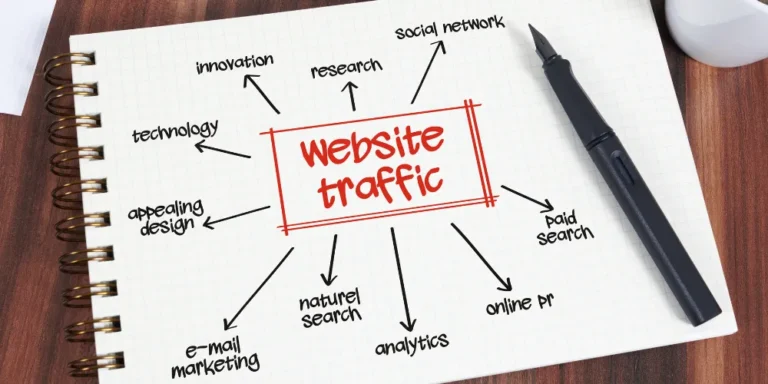

Best digital marketing strategies for ecommerce.
Digital marketing has completely changed how ecommerce businesses grow in the USA. Today, most people shop online, and that means businesses must reach customers through digital channels like search engines, social media, and email. Whether you’re running a small online boutique or a large ecommerce brand, digital marketing helps you attract visitors, increase sales, and build long-term relationships. It allows businesses to target specific audiences, personalize content, and track results in real time. In the competitive US market, a strong digital marketing strategy is not just an option—it’s a necessity for success.
From search engine optimization (SEO) to influencer collaborations, every digital approach can help brands stand out and connect with potential customers. A well-planned marketing strategy increases visibility, improves customer engagement, and drives consistent growth. Ecommerce in the USA continues to expand, and digital marketing remains the backbone of this transformation. Understanding the right strategies can make a major difference in your business performance and profitability. Let’s explore the most effective digital marketing strategies for ecommerce that are shaping the future of online retail in the United States.
best digital marketing strategies for ecommerce.
Digital marketing for ecommerce focuses on using online tools and platforms to attract, convert, and retain customers. The best strategies combine creativity, analytics, and technology to deliver measurable results. Below are ten essential strategies that every ecommerce business in the USA should focus on for sustainable growth and success.
1. Search Engine Optimization (SEO)
SEO is one of the most powerful digital marketing strategies for ecommerce businesses in the USA. It helps your website rank higher on Google and other search engines, increasing organic traffic without paying for ads. By optimizing your website’s content, structure, and keywords, you make it easier for people to find your products when they search online. Start by researching high-intent keywords relevant to your niche. Focus on long-tail keywords that reflect what potential customers are searching for, such as “affordable running shoes USA” or “eco-friendly skincare products.” Optimize your meta titles, product descriptions, and blog content around these keywords. Technical SEO is equally important—make sure your website loads quickly, is mobile-friendly, and has a secure HTTPS connection. Create high-quality backlinks by collaborating with industry blogs and directories. SEO takes time, but the results are long-term and cost-effective. A strong SEO foundation increases your visibility, credibility, and trust with customers.
2. Pay-Per-Click (PPC) Advertising
PPC advertising allows ecommerce businesses to appear instantly on search engines or social platforms. In the USA, Google Ads and Meta Ads (Facebook and Instagram) are among the most effective PPC tools. You pay only when someone clicks your ad, making it cost-efficient and measurable. To succeed with PPC, target specific keywords that match your products. Write compelling ad copy that highlights unique features and benefits. Use strong calls to action like “Shop Now” or “Get 20% Off Today.” Regularly monitor performance and adjust bids to optimize your return on ad spend (ROAS). You can also use retargeting ads to reach users who visited your website but didn’t complete a purchase. For ecommerce stores, PPC is ideal for promoting seasonal offers, launching new products, or boosting slow-moving items. It delivers fast results and helps you compete with larger brands effectively.
3. Social Media Marketing
Social media marketing helps ecommerce brands connect with customers and build loyalty. Platforms like Instagram, Facebook, TikTok, and Pinterest are highly influential in the USA. They allow businesses to showcase products, share reviews, and run targeted ad campaigns. Post high-quality visuals, engaging videos, and real customer testimonials. Create consistent branding across all platforms. Use social media analytics to understand what type of content performs best. Collaborate with micro-influencers to promote your products to niche audiences. Run giveaways or interactive posts to increase engagement. Paid social ads can also drive traffic directly to product pages. Social media marketing is not only about selling—it’s about storytelling, building community, and creating emotional connections with your audience.
4. Content Marketing
Content marketing focuses on creating valuable information that attracts and educates customers. In ecommerce, blogs, videos, infographics, and guides play a major role in influencing buying decisions. By publishing content that solves customer problems, you position your brand as an authority. For example, an online fitness store can publish workout guides, product reviews, or nutrition tips. Consistency is key—post regularly and optimize every piece of content for SEO. Include internal links to your product pages to drive organic traffic. Video content is particularly effective in the USA, as it boosts engagement and conversions. Content marketing helps you build trust, nurture leads, and encourage repeat purchases over time.
5. Email Marketing
Email marketing remains one of the most cost-effective digital marketing strategies for ecommerce. It allows direct communication with customers who have already shown interest in your products. You can use email campaigns to announce sales, share product updates, and offer exclusive discounts. Segment your email list based on customer behavior—such as first-time buyers, loyal customers, or cart abandoners. Create personalized emails that reflect customer preferences. Automated workflows, like welcome emails or re-engagement sequences, can increase conversions. Add clear CTAs and visually appealing designs to boost engagement. Tracking open and click-through rates helps you refine future campaigns. Email marketing strengthens customer relationships and improves long-term retention.
6. Influencer Marketing
Influencer marketing has become a major force in the US ecommerce industry. By collaborating with influencers who share your target audience, you can build credibility and expand your reach. Influencers can create authentic product reviews, tutorials, and unboxing videos. Choose influencers based on engagement rates rather than just follower count. Micro-influencers often generate higher trust and better conversion rates. Set clear goals for each campaign—such as increasing traffic or boosting sales. Encourage influencers to use branded hashtags or affiliate links to track performance. Influencer marketing creates social proof, builds trust, and encourages followers to become customers.
7. Affiliate Marketing
Affiliate marketing is a performance-based strategy where you reward partners for driving sales to your ecommerce store. It’s widely used by US retailers to reach new audiences. Affiliates promote your products through blogs, websites, or social media in exchange for a commission. This model is cost-effective because you only pay for successful conversions. Set up an affiliate program with clear terms, attractive commission rates, and quality promotional materials. Platforms like ShareASale or Rakuten can help you manage affiliates efficiently. Regularly communicate with affiliates and share product updates to keep them motivated. A strong affiliate network can generate continuous traffic and sales with minimal effort.
8. Conversion Rate Optimization (CRO)
CRO focuses on turning visitors into paying customers. It involves testing and improving website elements to increase the percentage of conversions. For ecommerce stores, this could mean optimizing product pages, checkout processes, and calls to action. Analyze your customer journey to identify drop-off points. Use A/B testing to compare different layouts, headlines, or buttons. Make your checkout simple—reduce the number of steps, add guest checkout, and ensure clear pricing. Use customer reviews, testimonials, and trust badges to build confidence. Fast-loading pages and mobile optimization are essential for improving conversions. CRO helps you get more value from your existing traffic without spending extra on ads.
9. Mobile Marketing
With most US consumers shopping via smartphones, mobile marketing is crucial for ecommerce success. A mobile-friendly website ensures that customers can browse and purchase easily. Invest in responsive design and fast loading times. Use mobile ads on platforms like Google, Facebook, or TikTok to reach potential buyers on the go. SMS marketing is also effective for sending exclusive offers or delivery updates. Consider developing a mobile app for loyalty programs or faster checkout experiences. Voice search optimization is becoming increasingly relevant as more people use smart devices. Mobile marketing enhances convenience, engagement, and conversion rates.
10. Retargeting and Remarketing
Retargeting focuses on reaching customers who visited your website but didn’t complete a purchase. Through cookies or tracking pixels, you can display personalized ads to bring them back. Platforms like Google Display Network and Facebook Ads allow precise targeting based on user behavior. Remarketing can increase conversion rates significantly because it targets warm leads who already know your brand. You can show them ads featuring recently viewed products or limited-time discounts. Dynamic product ads work well for ecommerce stores. Regularly analyze your retargeting campaigns to avoid ad fatigue. When done right, retargeting boosts ROI and maximizes your marketing budget.
Conclusion
Digital marketing is the foundation of ecommerce growth in the USA. With millions of online shoppers, businesses must use the right mix of strategies to stay visible and competitive. SEO ensures organic traffic, PPC provides instant visibility, and social media creates community engagement. Content and email marketing build trust and loyalty, while influencer and affiliate marketing expand reach through partnerships. CRO, mobile marketing, and retargeting enhance performance and increase conversions.
Every strategy contributes to the customer journey, from awareness to purchase and retention. Success in ecommerce doesn’t come overnight—it requires consistency, testing, and data-driven decisions. By mastering these digital marketing strategies, ecommerce businesses can achieve sustainable growth, stronger brand recognition, and higher profitability in the ever-evolving US market. The future of ecommerce belongs to those who invest wisely in digital marketing and continuously adapt to customer trends.